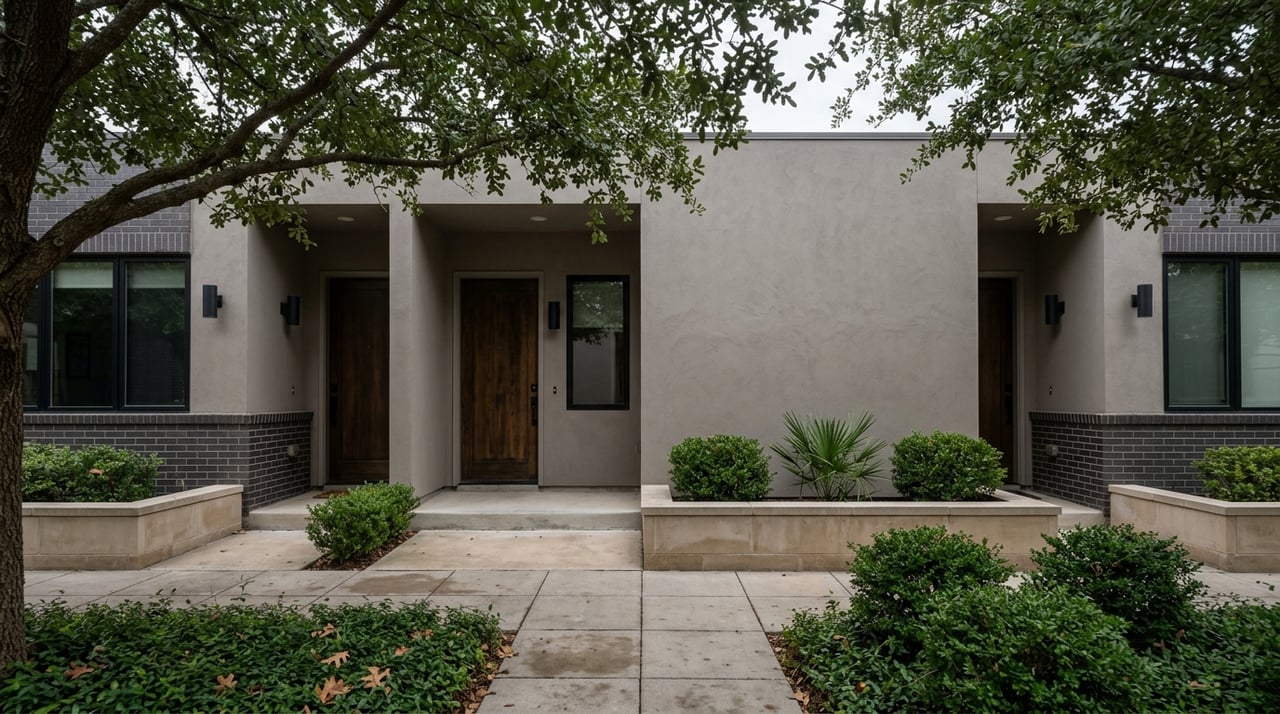
If you are drawn to Dallas city living, one question can shape your whole search fast: should you buy a condo or a townhome? It is a common fork in the road, especially if you want a lower-maintenance home, access to urban neighborhoods, and a property that fits your lifestyle as much as your budget. The good news is that once you understand ownership, monthly costs, and how these homes tend to show up across Dallas, the choice gets much clearer. Let’s dive in.
Why this choice matters in Dallas
In Dallas, condos and townhomes often show up in and near the urban core, where the city plans for denser, more walkable housing near jobs, transit, and everyday amenities. Planning documents point to downtown, Uptown, City Place/West Village, the Stemmons Design District, the Cedars, Deep Ellum, and Victory Park as places where this kind of housing is part of the mix.
Other Dallas areas identified for a more urban pattern include Oak Lawn, the Grand Avenue area, the Jefferson Boulevard area, and Vickery Meadow. In these parts of the city, housing choices can include townhomes along with low- to mid-rise condos or apartments. That means your choice is not only about the home itself. It is also about the kind of neighborhood setting you want.
What you actually own
Condo ownership in Texas
A condo is not just a building type. In Texas, it is a legal ownership structure. State law defines a condominium as separate ownership of your individual unit along with shared ownership of common elements.
That matters because the legal documents spell out what belongs only to you, what is shared with other owners, and what the association manages. Newer condominium communities are generally governed under Chapter 82 of Texas law, while some older projects may fall under Chapter 81. For you as a buyer, the key point is simple: the paperwork controls the real ownership picture.
Townhome ownership can vary
A townhome usually describes the physical form of the home, often an attached property with shared walls and two or three levels. But that label does not always tell you the legal setup. Two townhomes can look very similar and still come with very different ownership rights and maintenance responsibilities.
That is why it is smart to look beyond the listing description. The deed, plat, and HOA documents help show what you own, what the association maintains, and how the property operates day to day.
Why the documents matter
This is one of the biggest reasons buyers can feel surprised after going under contract. A home that looks like a traditional townhouse may function more like a condo from a legal and insurance standpoint. Another attached home may give you more direct responsibility for the exterior and lot.
If you want fewer surprises, ask early for the governing documents and review them carefully. It is one of the best ways to compare homes that seem similar at first glance.
How maintenance usually compares
Condos often offer lighter exterior upkeep
If your goal is to simplify homeownership, a condo may appeal to you. In many condo communities, the association handles common areas and may also cover exterior damage and damage to shared areas under the master insurance policy. Owners are often responsible for insurance coverage for the interior of the unit.
That setup can feel convenient if you do not want to manage as much exterior maintenance yourself. But it also means you need a clear picture of what the HOA covers and what your own policy needs to cover before closing.
Townhomes can feel more house-like
A townhome may be a better fit if you want an attached home that lives more like a traditional house. The layout, entry style, and daily use often feel familiar to buyers who want urban living without moving into a mid-rise or high-rise building.
Still, maintenance responsibility can vary a lot from one development to the next. Some associations may handle more exterior work, while others leave more responsibility with the owner. The HOA documents matter just as much as the floor plan.
Understand the full monthly cost
One of the easiest mistakes in urban home shopping is to focus too much on the mortgage and not enough on the full carrying cost. For condos and townhomes, your budget should account for several separate pieces.
Budget beyond the mortgage
Think about your monthly cost in layers:
- Mortgage payment
- Property taxes
- Homeowners insurance
- HOA dues
HOA dues are usually paid directly to the association and are not normally included in your mortgage payment. Property taxes also are usually not included in HOA dues. That is why side-by-side budgeting matters when you compare one property with another.
Watch for reserve funds and assessments
Monthly dues tell only part of the story. You also want to know whether the HOA has reserve funds set aside for future repairs and major projects. A well-run reserve fund can help reduce the chance of sudden large costs.
You should also ask whether there are any recent or pending special assessments. Associations may levy special assessments for major one-time expenses such as structural repairs or replacing shared systems. That can affect affordability just as much as the list price.
HOA review is not optional
Whether you choose a condo or a townhome, the HOA can shape your ownership experience in a big way. The board typically sets community rules, collects dues, and maintains common areas or elements. In many communities, that structure is a major reason these homes feel more streamlined than a detached single-family house.
Before you make an offer, try to review the most important association documents, including:
- CC&Rs
- Bylaws
- HOA budget
- Reserve balance
- Any recent or pending special assessments
Texas law gives buyers access to resale-disclosure documents. Condo associations must keep financial records sufficient to prepare a resale certificate, and property owners’ associations must deliver updated resale certificates within seven business days after a written request. These records can help you understand the community before you commit.
Where condos and townhomes cluster in Dallas
Downtown and nearby districts
If you want the most urban setting, condos are often closely tied to Dallas areas planned for higher density and mixed-use development. Downtown Dallas planning guidance calls for mid- to high-rise condominiums, apartments, and townhouses as part of the residential mix.
That same urban pattern shows up in nearby districts like Uptown, City Place/West Village, the Stemmons Design District, the Cedars, Deep Ellum, and Victory Park. These areas are associated with a dense, walkable housing pattern near jobs, transit, and neighborhood amenities.
Urban neighborhoods with mixed housing
Dallas planning sources also point to places like Oak Lawn, the Grand Avenue area, the Jefferson Boulevard area, and Vickery Meadow as urban neighborhoods where housing can include detached homes, townhomes, and low- to mid-rise condos or apartments. These locations may appeal to buyers who want a city feel with a broader mix of housing styles.
In practical terms, condos tend to be more common where Dallas is concentrating its highest density. Townhomes show up in some of those same areas, but they also appear in nearby transition zones with a mix of housing types. That can give you a little more flexibility if you want urban access with a more house-like setup.
How to decide what fits you best
A condo may fit if you want
A condo may be the better choice if your priorities include:
- A more urban location
- Shared amenities
- Less exterior maintenance
- A lock-and-leave lifestyle
The tradeoff is usually more association oversight and a stronger need to understand the HOA’s finances, insurance structure, and rules. If you like convenience and want to stay close to the action, that may be worth it.
A townhome may fit if you want
A townhome may be the better choice if your priorities include:
- An attached-home feel
- A layout closer to a traditional house
- Urban living with a little more separation
- A balance between convenience and ownership control
The exact fit still depends on the development. Some townhomes come with substantial HOA involvement, while others place more responsibility on the owner.
Ask yourself these questions
If you are deciding between the two, start with a few simple questions:
- How much maintenance do you want to handle?
- How important is walkability?
- Do shared amenities matter to you?
- How much control do you want over the exterior and common spaces?
- What monthly cost feels comfortable once dues, taxes, and insurance are added in?
In Dallas, the right answer often comes down to lifestyle, neighborhood target, and total monthly cost. The best match is the one that supports how you actually want to live.
If you want help comparing condo and townhome options in Dallas or sorting through HOA details before you make a move, Nichelle Keithley is here to guide you with clear, local insight and a calm, full-service approach.
FAQs
What is the difference between a condo and a townhome in Dallas?
- In Dallas, a condo is a legal ownership structure, while a townhome usually describes the physical style of the home. The recorded ownership documents determine what you own and what the HOA manages.
Are HOA dues included in a condo or townhome mortgage payment?
- Usually no. HOA dues are generally paid directly to the association and are not normally included in your mortgage payment.
Do condos in Dallas usually include exterior maintenance?
- Many condo associations handle common areas and may cover exterior damage and damage to shared areas, but owners are often responsible for interior insurance coverage for the unit.
Do townhomes in Dallas always give you more ownership control?
- Not always. A townhome may feel more like a traditional house, but the deed, plat, and HOA documents determine the legal ownership structure and maintenance split.
Where are condos and townhomes commonly found in Dallas?
- Dallas planning documents identify downtown, Uptown, City Place/West Village, the Stemmons Design District, the Cedars, Deep Ellum, Victory Park, Oak Lawn, the Grand Avenue area, the Jefferson Boulevard area, and Vickery Meadow as places where condos, townhomes, or both may be part of the housing mix.
What HOA documents should you review before buying a Dallas condo or townhome?
- You should review the CC&Rs, bylaws, HOA budget, reserve balance, and any recent or pending special assessments so you can better understand the community’s rules and financial health.